Explore the Majestic Rock Fortress of Sigiriya, Sri Lanka.
Sigiriya, often hailed as the ‘Eighth Wonder of the World’, is a stunning ancient rock fortress in Sri Lanka that presents visitors with a fascinating blend of history, art, and breathtaking views. Towering 200 metres (660 feet) above the lush jungle, Sigiriya Rock Fortress is a UNESCO World Heritage Site and one of Sri Lanka’s most cherished cultural treasures. Here’s your ultimate guide to exploring Sigiriya, packed with tips, interesting facts, and must-see highlights.
More photos in the video below.

Brief History of Sigiriya
Sigiriya, which means ‘Lion Rock’ in Sinhalese, was once a royal citadel and fortress built by King Kashyapa back in the 5th century AD. After a family squabble, Kashyapa decided to make Sigiriya his new palace, choosing its secluded spot and cliffs to protect it from any trouble. As time went on, it changed from a palace into a Buddhist monastery and eventually became the historical wonder we know today.
Getting to Sigiriya
Sigiriya is nestled right in the middle of Sri Lanka, about 170 kilometres (105 miles) from Colombo, the capital. The easiest way to get there is by hiring a private car or taking a taxi, which should take you around 4–5 hours from Colombo. If you’re feeling adventurous, you could also hop on a bus or train to Dambulla and then grab a tuk-tuk for the last 20 kilometres.
When to Visit
Sigiriya is open all year round, but the dry season in Sri Lanka, from December to April, is the best time to visit. Mornings are perfect for climbing because it’s cooler, and you’ll get to see some pretty amazing sunrise views from the top. Try to get there early to beat the crowds, as Sigiriya is a favourite spot for both tourists and locals.
Key Highlights at Sigiriya
The Lion’s Gate
To reach the summit, you’ll stroll through the lovely Lion’s Gate, once adorned with a massive lion statue. Sadly, only the paws remain! This gate is a symbol of strength, welcoming you into the king’s domain.

The Mirror Wall
This famous wall was once so smooth that the king could even see his reflection in it! Over the years, visitors have left poems and messages on the wall, some even from the 8th century! Now, it’s a pretty cool look at history, though you can’t touch it anymore.
Frescoes of the Maidens
As you climb halfway up the rock, you’ll stumble upon some pretty amazing frescoes of women, thought to be either Kashyapa’s mistresses or heavenly maidens. These paintings, still so vivid, really show off the talent of the ancient Sri Lankan artists and are a pretty good part of what makes Sigiriya special.
The Water Gardens
Down at the bottom of Sigiriya, the Water Gardens are full of fancy ponds, fountains, and pools that really highlight how clever the engineers were back then. Some of the fountains even still work when it rains, thanks to an ancient hydraulic system that was pretty good for its time!
Climbing Sigiriya: Tips for a Safe and Enjoyable Ascent
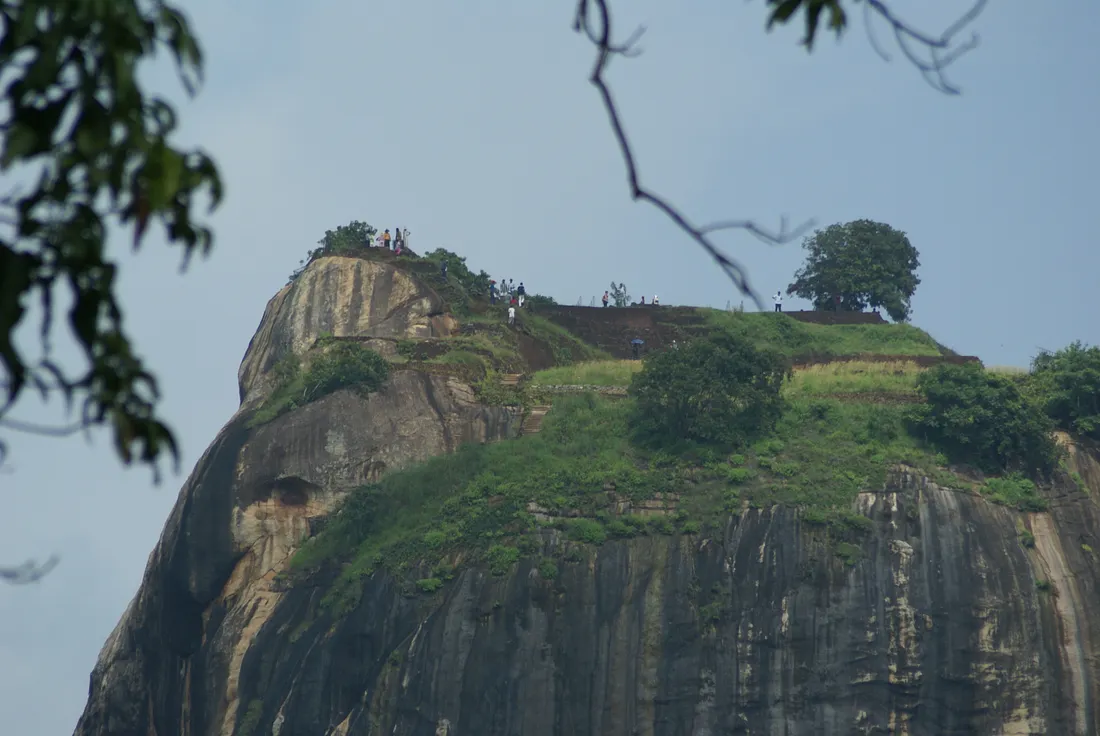
Climbing Sigiriya Rock is about 1,200 steps, but the views and history along the way are dead set worth it! Here are some tips to make your climb easier:
- Wear sturdy shoes: The path is a bit steep, and some parts are narrow or bumpy.
- Stay hydrated: Bring a water bottle to keep cool, especially if it’s hot.
- Take breaks: There are heaps of places to rest, so take it easy, especially if you’re not used to climbing.
- Keep an eye on your stuff: Monkeys are around and might snatch things if you leave them out.
Interesting Facts about Sigiriya
- Sigiriya’s gardens are pretty special; they’re often called the oldest landscaped gardens in the world! They beautifully combine nature with ancient water systems, terraces, and pools.
- The Water Gardens have some pretty amazing ancient hydraulic systems. The fountains still work today, thanks to the pressure from underground reservoirs—it’s a real testament to ancient engineering!
- The lion imagery on Sigiriya is believed to represent Kashyapa’s strength and his royal heritage. It’s a nod to the grandeur and power he wanted to show with his fortress.
Nearby Attractions
After exploring Sigiriya, consider visiting these nearby sites:
- Dambulla Cave Temple: A fascinating cave complex adorned with Buddhist murals and statues, located about 30 minutes from Sigiriya.
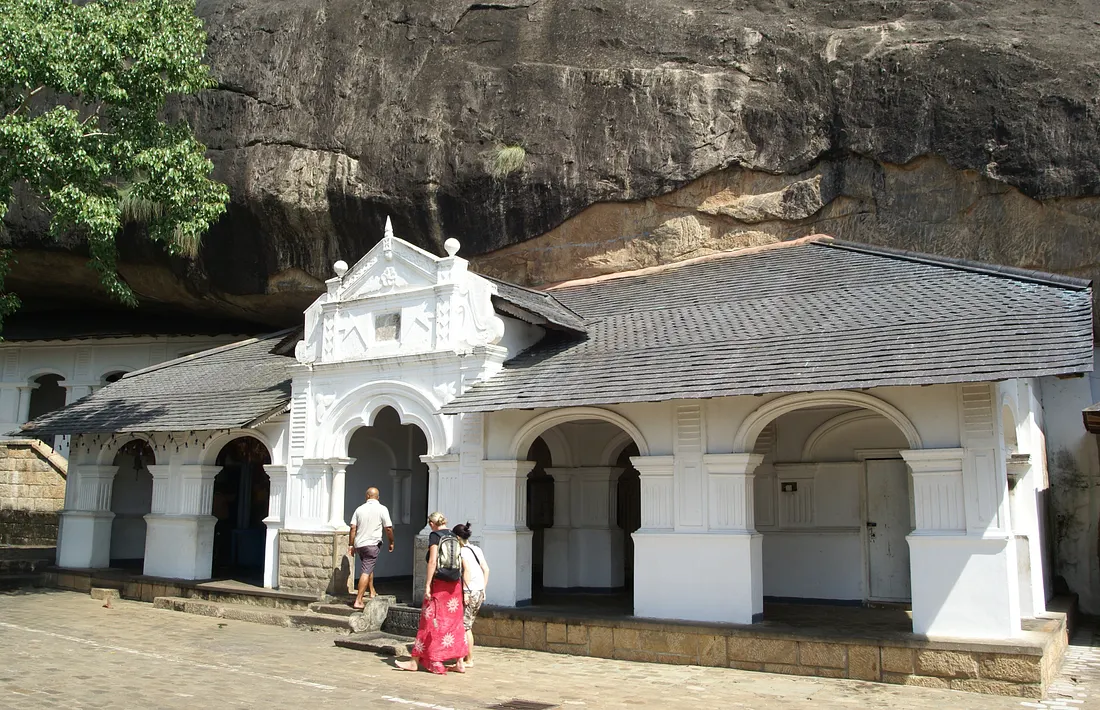
- Pidurangala Rock: For an alternative view of Sigiriya, climb Pidurangala Rock, a nearby formation with spectacular sunrise and sunset views of Sigiriya itself.
Preservation and Respect for the Site
Sigiriya is a pretty sacred and historically important spot, so let’s show some respect for the area. Please don’t touch the old artefacts or leave any rubbish behind. The fortress is like stepping back in time, and keeping it beautiful is something we all need to do.
Visiting Sigiriya Rock Fortress is an unforgettable experience that mixes Sri Lanka’s ancient history with its natural beauty. From the climb to the amazing views, every step gives you a new look at the lives and dreams of ancient kings. With these tips, you’re all set for a really enriching visit to this awe-inspiring fortress!
More photos, check this video below
.jpg)


Comments
Post a Comment